Softball Protective Gear: 10 Best Must Have Items For Safety


Unsure what softball protective gear you need? This softball protective gear comprehensive guide helps parents, coaches, and players choose the right softball protective gear for safety, fit, and league compliance. It covers required versus recommended equipment, position specific protection, a detailed fit checklist, buying priorities, starter kit suggestions, maintenance tips, and an FAQ to keep every player safe on the field.
What You’ll Get From This Guide
- Position-specific recommendations for catchers, infielders, batters, and base runners
- Complete fit checklist with measurements and comfort tests for proper softball gear sizing
- Buying priority guide to help you invest in the most important softball protective gear first
- Starter kit suggestions including youth softball protective gear packages and complete sets
- Maintenance tips to extend the life of your softball safety equipment
- FAQ answers covering common questions about softball safety equipment checklist requirements
Who Needs What Softball Protective Gear?
Protective needs differ by age, gender, and position because mobility, impact risk, and league rules vary. Youth players need lightweight, adjustable models to accommodate growth; adult players prioritize durability and advanced features.
Youth vs Adult Players
Youth players benefit from adjustable, breathable gear that won’t overheat while still offering protection. Adult and women’s players often choose more durable or streamlined options suited to fastpitch mobility.
Position Specific Needs
Different positions face unique risks requiring targeted protection. For an overview of key items and mask recommendations, see below:
- Catcher: Pro Tip: Fast Pitch Only. Complete catcher’s gear set which includes chest protector, shin guards, catchers mask, catchers mitt and protective cup (optional heart guard).
- Pitcher: A softball glove is the only requirement but it is highly recommended to wear a fielder’s mask (optional) and knee pads and shin pads (optional) to protect against a line drive.
- Batters/Base Runners: Batting helmet with mask (fast pitch only), helmet without mask (optional for slow pitch), sliding shorts, batting gloves, sliding mitt (optional) elbow guards (fast pitch only) and compression padding recommended.
- Infielders: Fielder’s mask (optional) but recommended; knee pads and ankle guards optional for extra protection.
Required vs Recommended Softball Protective Gear
Required Equipment
Softball league mandated items vary so always check your league guidelines, but most youth and fast pitch leagues require a NOCSAE-certified batting helmet, complete catcher’s gear set, protective cup for male players, and approved footwear. For additional softball checklist items, see DICK’S Sporting Goods’ checklist.
Recommended/Optional Equipment
- Cleats or Turf Shoes
- Sliding shorts or compression shorts with padding
- Softball heart guard for sternum protection
- Elbow guards, knee pads, and ankle guards as position or history dictates
- Batting gloves for grip and hand protection
- Lightweight fielder’s mask for infielders
Full Equipment Breakdown: Item-By-Item
Softball Helmet / Batting Helmet With Mask
Helmets without the mask protect the skull and brain from impacts. Helmets with masks also add facial protection from pitches and foul tips. Fit by measuring head circumference above the ears and ensuring the helmet sits one finger width above the eyebrow. Straps should fasten snugly under the chin and pass a shake test. Always check for NOCSAE or league certification and replace after major impact. For detailed helmet guidance, see DICK’S helmet buying guide.
Softball Face Mask / Fielder’s Mask
A wire cage or combined helmet-and-mask system protects non-catchers from line drives, ricochets and most commonly bad hops due to field surface conditions. The mask should attach securely with no rattling and provide full coverage across cheekbones and jaw. For a more detailed guide see infield mask guide from Fans Only Sports.
Catcher’s Gear: Chest Protector, Shin Guards, Complete Set
Catcher’s gear protects head to shin and must allow full crouch and mobility. Measure chest circumference and torso length; shin guards should extend from mid-thigh or knee to the ankle. Perform a full crouch and simulate catching to verify straps and mobility. Fast pitch sizing charts are available from All-Star Sports, and a slow pitch catcher gear checklist from Fans Only Sports.
Softball Heart Guard
A sternum plate reduces the risk of commotio cordis from getting hit in the chest. Position it centered over the sternum beneath the jersey so it doesn’t restrict breathing or motion. Confirm league acceptance before use; it’s strongly recommended for catchers and close-proximity infielders.
Sliding & Compression Shorts
Padded shorts protect hips and tailbone during slides. Ensure the waistband fits snugly and padding aligns with hip bones. Test by kneeling and simulating a slide; padding should stay in place and use moisture-wicking, breathable fabrics.
Elbow, Knee, Ankle Guards & Protective Cup
Use non-slip straps and flexible padding to maintain range of motion. Elbow guards protect batters’ front arms; knee pads serve catchers and frequent divers; ankle guards assist players with prior sprains. Protective cups (male and female-specific options) should fit snugly within supportive garments.
Fast Pitch vs Slow Pitch Protective Gear Differences
Fast pitch typically involves higher pitch velocities and therefore stronger recommendations for facial and head protection, often requiring double flap helmets and face masks for batters. Slow pitch usually doesn’t require a helmet or facial mandates. For a slow pitch overview, see Fans Only Sports’ Slow Pitch Guide.
Youth & Gender Considerations: Buying for Kids & Women
Prioritize adjustability for growing players, adjustable helmets and modular chest protectors extend useful life. Buy helmets and chest protectors new for safety. For budget and priority softball protective gear guidance, see CSSportinggoods.
Safety, Compliance & Inspection
Verify league requirements on your local league or regional association website. For an example of league equipment rules and on-field requirements, see Framingham’s league page.
Inspection & Replacement Schedule
- Helmets: Inspect before each season; replace after major impact or every 2–5 years depending on use.
- Chest & Shin Protectors: Annual inspections; replace when padding compresses or straps fail (1–3 years typical).
- Sliding Shorts & Pads: Check for seam failure or pad migration; replace when protection degrades.
Buying Guidance: How To Choose Brands, Sets, & Packages
Prioritize certification and fit over brand name. Beginners and youth teams often benefit from complete gear packages for matched sizing and value. Advanced players may prefer individual premium components for custom fit.
- Package Pros: Better value, matched sizing, simplified warranties.
- Individual Pros: Custom fit, best-in-class components, replacement flexibility.
Softball Protective Gear Recommendations & Price Tiers
- Footwear: Budget $20–40; Mid $40–80; Pro $80+.
- Batting Helmets: Budget $20–40; Mid $50–70; Pro $70+.
- Catcher Helmets: Budget $70-100; Mid $100-130; Pro $130+.
- Chest Protectors: Budget $40–70; Mid ~ $100; Pro $150+.
- Shin Guards: Budget ~$20+; Mid ~$40; Pro ~$120.
- Sliding Shorts: Budget $20+; Mid $30; Pro $40+.
- Complete Catcher’s Sets: Starter ~$300; Pro ~$400+.
What To Buy First: Priority List For Beginners
- Footwear: cleats or turf shoes depending on softball field surface
- Softball batting helmet with mask
- Position-specific primary protection (catcher’s set or fielder’s mask)
- Sliding shorts for hip/tailbone protection
- Softball protective cup (male players) or female-specific protection
- Secondary guards (leg, elbow, knee, ankle) as budget allows
Maintenance, Care & Replacement
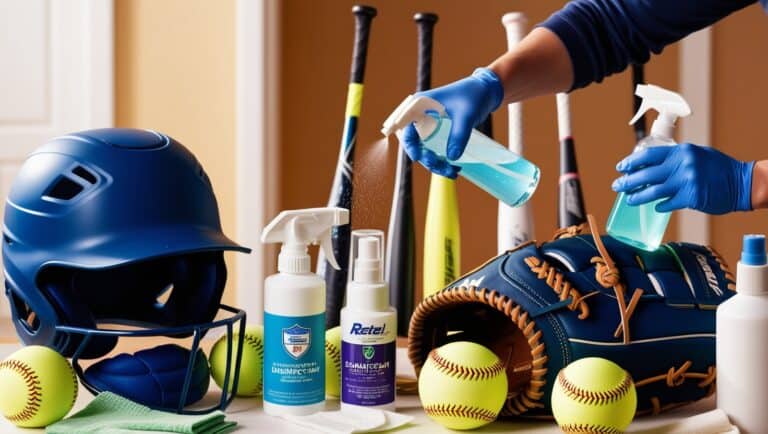
Cleaning Instructions
- Helmets: Wipe shell with mild soap and water; avoid submerging padding; air dry away from heat and sunlight.
- Pads/Textiles: Spot clean or hand wash per manufacturer; avoid high-heat drying.
- Leather/Metal: Wipe dry; apply light oil to metal clips if needed to prevent binding.
Follow replacement timelines and replace any gear that shows structural compromise regardless of age.
Key Take Aways
Properly selected and fitted softball protective gear is the foundation of safe play. Start with a certified helmet and position specific protection, follow the fit checklist from brands, and maintain equipment so protection remains effective.
FAQ — Safety Equipment Questions
What protective gear is required in softball?
Requirements vary by league and usually for fast pitch softball only but commonly include a NOCSAE certified batting helmet, a complete catcher’s gear set (helmet, chest protector, shin guards), and a protective cup for male players. Always confirm with your league rules.
Do infielders need face masks?
Infielders are strongly encouraged to wear a fielder’s mask to protect against line drives and ricochets. Many coaches and organizations recommend them even when not strictly required.
What’s the difference between fast pitch and slow pitch softball protective gear?
Fast pitch generally requires stronger head and facial protection (double-flap helmets and face masks) due to higher pitch speeds. Slow pitch usually doesn’t require helmets but face protection is highly recommended for pitchers and catchers.
How should catcher’s gear fit?
The chest protector should cover from just above the chest to the waist without side gaps; shin guards must allow a full crouch and protect knee through ankle. All straps should remain secure during movement.
How often should I replace a helmet or chest protector?
Replace helmets immediately after any major impact or every 2–5 years depending on use. Replace chest and shin protectors when padding compresses or straps fail which is typically 1–3 years for regular use.
Craving more softball wisdom? Unlock game-changing tips below!