How To Choose A Softball Glove In 2026! Amazing Guide!

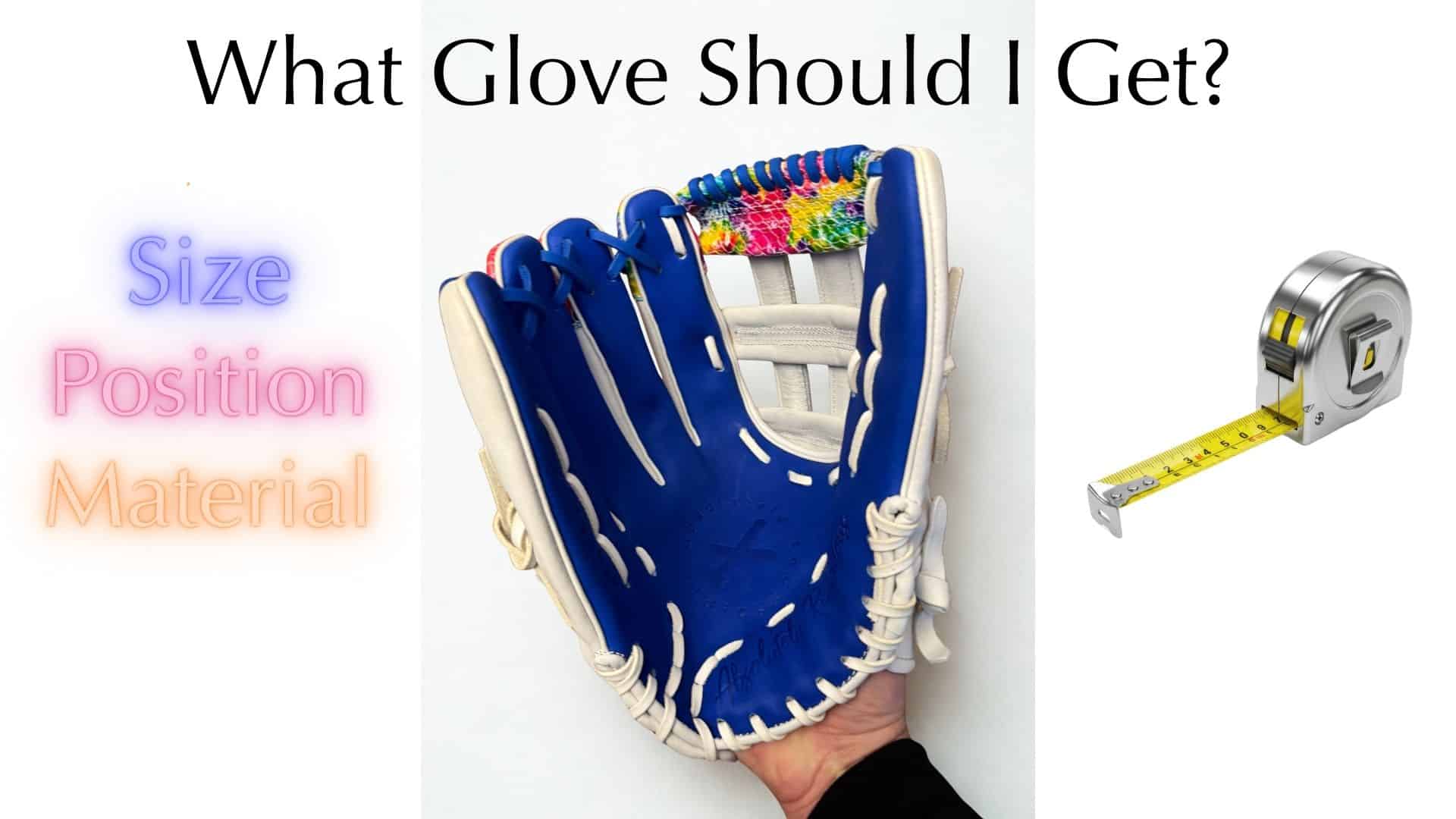
Not sure how to choose a softball glove? You aren’t alone as there are a lot of factors in finding the perfect glove but learning how to choose a softball glove doesn’t have to be overwhelming. This Fans Only Sports guide explains how to select the right glove based on fit, position needs, material and budget for beginners, youth players, intermediate and adult athletes across fast pitch and slow pitch play. Sizing and position recommendations below are based on industry sizing guides and pro-fit advice to help you find durable, well fitting softball gloves.
How To Choose A Softball Glove: Quick Pick Recommendations
Youth beginners: synthetic or entry-level leather: infield 10–11.5″, outfield 11–12″. Adult fast pitch: infield 11–12.5″, outfield 12.5–13″, pitchers 12–12.5″ closed web. Slow pitch: larger 12.5–14″+ outfield and first base. Catcher’s mitts: 32.5–34.5″ circumference for adults. Choose 12″ for quick transfers, 13″ for reach and ball security.
Softball Glove Size Chart & How to Measure
Measure glove length by laying the glove flat and measuring from the tip of the index finger (finger closest to your thumb) to the heel in inches. For catcher’s mitts, measure circumference around the palm from the base of the fingers to the bottom of the palm. To measure a hand, wrap a string around the widest part of the palm (excluding the thumb), measure the string in inches and divide by 3.14 to estimate palm circumference, then compare to manufacturer charts.
| Player Level | Infield | Outfield | Pitcher | First Base | Catcher (Circumference) |
|---|---|---|---|---|---|
| Youth/Girls (Under 13) | 10.0–11.5″ | 11.0–12.0″ | 11.0–12.0″ | 11.5–12.5″ | 31–33.5″ |
| Fast Pitch Adult (13+) | 11.0–12.5″ | 12.5–13.0″ | 11.0–12.5″ | 12.0–13.0″ | 32.5–34.5″ |
| Slow Pitch Adult | 11.5 –12.5″ | 12.5–14.0″+ | 11.5 –12.5″ | 12.5–13.0″ | N/A |
12″ vs 13″ guidance: choose 12″ for quicker transfers (infield/fast pitch) and 13″ for outfield/reach. For full measurement details and sizing ranges see this comprehensive glove sizing guide above.
Position-Specific Softball Gloves
Match your glove to your primary position for best performance. Key goals vary by role: speed and quick transfers for infield, reach and retention for outfield, grip concealment for pitchers, and protection for catchers.
Infield Softball Glove
Infield gloves are smaller with shallow pockets for fast ball-to-hand transfers. Recommended sizes: youth 10–11.5″, adult 11–12.5″. Preferred webbing: open web, I-web or H-web for visibility and transfers. Choose shallow pocket depth and snug finger stalls for control. For pro tips on infield web and sizing, see pro-infielder recommendations.
Outfield Softball Glove
Outfield gloves are larger with deeper pockets to track and secure fly balls. Recommended sizes: fast pitch 12.5–13.5″, slow pitch 12.5–14″+. Preferred webbing: trap or modified trapeze for secure catches. Expect longer length, deeper pocket and stronger lacing to maximize reach and retention.
Pitcher’s Glove
Pitchers usually prefer closed web designs to conceal grips especially for fast pitch players. Honestly, it doesn’t really matter for slow pitch. Recommended sizes: 12–12.5″. Choose firmer leather and moderate pocket depth for consistent feel and quick transfers. For visual examples and fitting tips, review these fast pitch sizing examples.
Catcher’s Mitt
Catcher’s mitts are needed for and are measured by circumference (not tip-to-heel) and feature heavy padding and a rounded shape. Recommended adult sizes: 32.5–34.5″ circumference; youth 31–33.5″. They prioritize protection, framing and a large target for pitchers.
First Base Mitt
First base mitts are mitt-style with longer, deeper profiles and wider openings for scooping throws. Recommended sizes: 12–13.5″. Preferred webbing: H-web or closed variations with deep pockets.
Webbing Types & When to Choose Them
Webbing affects visibility, ball security and transfer speed. Match web type to your position and playing style.
Open Web (I-web / H-web / Mesh)
- Pros: superior visibility and quicker transfers which is ideal for infielders.
- Cons: less secure on hard-hit line drives.
Closed Web / Basket
- Pros: conceals grip and creates a secure pocket which is preferred by pitchers and many slow pitch players.
- Cons: reduces ball visibility in the pocket from opposing players.
Trap / Modified / Trapeze
- Pros: deep, secure pocket excellent for outfield fly balls.
- Cons: slower transfer speeds compared to open webs.
For a detailed breakdown of web types and examples, see this softball glove web types guide.
Materials & Construction
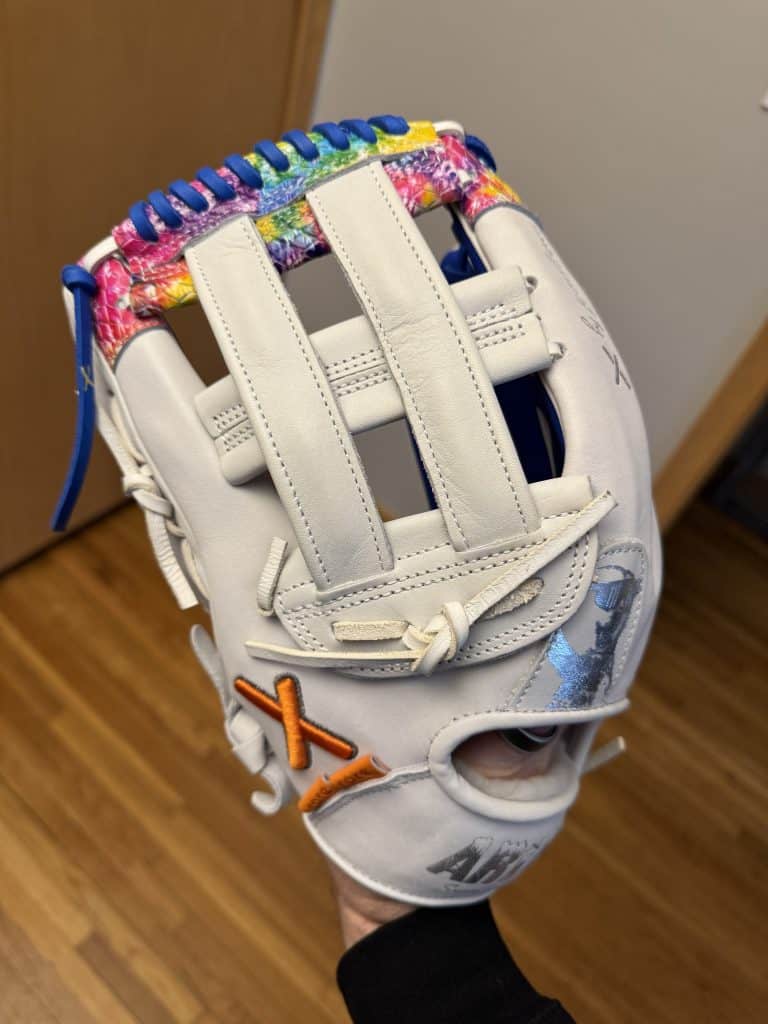
Material affects durability, break in time and performance. Full grain leather (steerhide) is durable and molds to your hand but needs break-in. Kip leather is premium and lighter. Synthetic/composite options are lightweight and budget friendly with minimal break in.
- Full-Grain Leather: heavy, durable, best for players with 50+ games per season.
- Kip Leather: premium, lighter, faster break-in than steerhide.
- Synthetic: immediate playability, lower lifespan for heavy use.
For material and quality comparisons, watch this glove sizing, position & material video.
Break-In & Care
Leather gloves typically take 1–4 weeks to break in with regular use; synthetic gloves often break in instantly. Use conservative conditioning and avoid home steaming methods that can crack leather.
Step-by-Step Break-In Method
- Play-in method: catch regularly (the more the better).
- Mallet shaping: strike pocket 100–200 times and secure around a ball overnight.
- Conditioner: apply a pea-sized amount of leather-specific conditioner sparingly during initial weeks.
- Avoid DIY steaming; consider professional steaming only if necessary.
- Final shaping: wear and simulate transfer movements to set the shape.
See practical break-in demonstrations and tips in this breaking-in softball glove tips and tricks, and glove selection tips with this video: How to choose a softball glove?
Fit & Try-On Guide
Proper fit ensures comfort and performance. Key checks include finger stall fill, wrist security, closure effort and hinge flexibility. Youth players typically need slightly tighter stalls and smaller wrist openings. Women’s models often offer narrower wrist openings and shallower finger stalls.
- Finger stalls: toes should fill stalls without excessive slack.
- Wrist: snug but adjustable (Velcro/strap should secure without restricting).
- Closure: glove should close with moderate effort and snap back open naturally.
- Hinge: glove should fold at the heel, not at stitched points.
In-store tests: simulate catches, transfers and scooping if permitted. Focus on fit and transfer motions relevant to the player’s position.
Beginner & Youth Buying Advice
For first gloves prioritize fit and control over future growth. Choose synthetic or entry-level leather for easy break-in, simple webbing and adjustable wrist closures. Replace gloves that are oversized or that the player outgrows.
Beginner Checklist
- Prioritize fit and control; allow up to 0.5″ growth room at most.
- Choose synthetic or entry-level leather for quick playability.
- Pick a simple open or shallow web based on position needs.
- Budget: $25–100 for youth/beginners.
For age-appropriate sizing charts and youth fit guidance see this manufacturer sizing guide: youth sizing and fit guidance.
Fastpitch vs Slowpitch vs Baseball Glove
Softball gloves are built for a larger ball and often deeper pockets. Fastpitch gloves favor smaller lengths and shallower pockets for quick transfers; slowpitch gloves are larger with deeper pockets. Baseball gloves differ in pocket depth and break-in preferences and are generally not recommended for fastpitch infield or catching.
| Feature | Fastpitch | Slowpitch | Baseball |
|---|---|---|---|
| Pocket Depth | Medium | Deep | Shallow |
| Typical Sizes | 11–13″ | 12–15″ | 10.5–13″ |
| Transfer Speed | Fast | Medium | Fast |
Buying Checklist, Price Range & Best Brands
Use this checklist before purchase: confirm position and size, measure and test fit, choose web and material, inspect laces and stitching, confirm break-in time and compare price vs expected lifespan.
Brand recommendations: Wilson, Rawlings, Mizuno, Easton, Nokona, Louisville Slugger, Franklin/Miken.
- Beginner: synthetic $25–60
- Intermediate: leather $60–150
- Premium: kip/steerhide $150–350+
Recommended Models (Examples)
- Youth Fastpitch Infield: Rawlings R9 Youth 11″ Synthetic
- Adult Fastpitch Infield: Wilson A2000 12″ (Kip leather)
- Outfield: Mizuno Prospect 13″ Leather
- Slowpitch Outfield: Miken Slowpitch 13.5″
- Catcher’s Mitt: Easton P9 33″ circumference
- First Base Mitt: Rawlings Heart of the Hide 12.5″
- Women’s Model: Wilson FP24 12″ Women’s Fit
Verify current model names and pricing before purchase; shop based on fit and season timing.
Conclusion: Choosing the right softball glove comes down to accurate sizing, position specific features, material choice and proper break in. Use the size chart and check fit in person when possible to ensure performance and comfort.
Ready to find your perfect glove? Shop recommended models, take a glove sizing quiz for personalized suggestions, or download a printable size chart and buying checklist to bring with you when you try gloves on.
FAQ
What size glove should my child use?
Use the chart ranges above, measure their hand properly and avoid oversized gloves. Aim for a snug fit with up to 0.5″ growth room at most to support control development.
What’s the difference between a softball glove and a baseball glove?
Softball gloves are larger and deeper to accommodate a bigger ball; fastpitch gloves are typically smaller and shallower than slowpitch or baseball gloves. Fastpitch infield and catching positions require softball-specific designs.
How long does a leather glove take to break in?
Typically 1–4 weeks of regular use with light conditioning. Synthetic gloves generally break in immediately.
Should pitchers use a closed web?
Yes, closed web designs help conceal pitch grips and are common for fastpitch pitchers.
How do you measure a catcher’s mitt?
Measure circumference around the palm from the base of the fingers to the bottom of the palm. Adult fastpitch catcher’s mitts commonly range 32.5–34.5″ circumference.
How much should I spend on a glove?
$25–60 for beginners, $60–150 for mid-range leather, and $150+ for premium kip/steerhide models depending on play frequency and desired longevity.
Can I use a baseball glove for softball?
Some baseball gloves may work for slowpitch outfield, but avoid using baseball gloves for fastpitch infield or catching due to pocket depth and sizing differences.
How often should I condition my leather glove?
Condition sparingly — roughly every 3–6 months or as needed, using leather-specific products and avoiding over-saturation.
What’s the best web type for infielders?
Open web designs (I-web, H-web) provide visibility and faster transfers and are typically best for infield positions while also allowing the infield dirt to pass through the glove web.
Do women need different gloves than men?
Women’s models often feature narrower wrist openings and shallower finger stalls for a better fit; try women’s specific models when available.
Craving more softball wisdom? Unlock game-changing tips below!