Softball Equipment Maintenance: 9 Best Tips To Protect Gear!

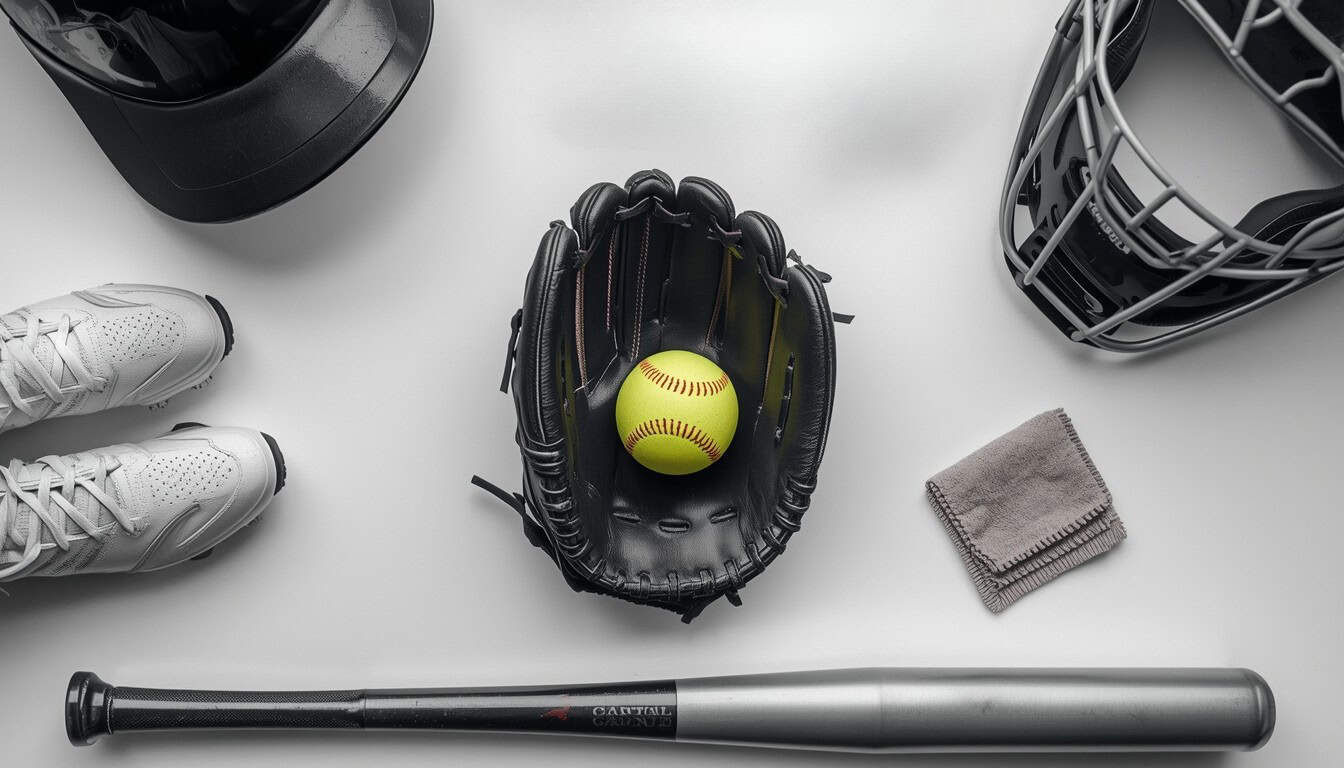
What are the best softball equipment maintenance tips? Softball equipment maintenance combines cleaning, conditioning, repairing, inspecting, and storing gloves, bats, cleats, helmets, and catcher’s gear to preserve performance, safety, and lifespan. Consistent care keeps performance steady, reduces injury risk, and saves money by avoiding premature replacements.
9 Softball Equipment Maintenance Areas
- Glove break-in methods
- Glove conditioning
- Glove cleaning & restoration
- Glove repair & relacing
- Bat maintenance (composite & aluminum)
- Bat storage & replacement timelines
- Cleat & bag care
- Helmet & catcher’s gear cleaning & safety checks
- Storage best practices & off-season prep
How To Break In A Softball Glove (Keep It Game-Ready)
Breaking in a softball glove aims to form a consistent pocket without overstretching or damaging leather. The safest, most durable approach is gradual use and targeted conditioning. For additional tips and step-by-step approaches, see breaking in a softball glove.
- Playing catch (recommended): 10–30 minutes daily, varying speeds of the throw to set the pocket naturally.
- Softball Mallet: Get a softball mallet specifically designed to break in softball gloves. strike with a mallet ~25 controlled times, rest, and repeat over days.
- Ball-In-Pocket: Place a softball in the pocket, wrap with a softball wrap to hold the ball in the natural place in the softball glove.
Softball Glove Conditioning Basics
Conditioning keeps leather flexible and prevents cracking. Condition lightly with pea-sized amounts per leather panel and only when leather looks dry. Over-conditioning makes a glove heavy and floppy. For product and care guidance, consult glove conditioning tips.
How To Apply Softball Glove Conditioner
- Step 1: Brush off any excessive dirt.
- Step 2: Clean the softball glove with glove specific conditioner.
- Step 3: Apply a pea sized (small) amount on a cloth and work in circular motions over palm, pocket, web, and finger stalls. Pro Tip: A little goes a long way!
- Step 4: Wipe excess product off to avoid stickiness.
- Step 5: Air dry 12–24 hours, flexing occasionally; store with a ball in the pocket to retain shape.
Cleaning & Restoring Leather Gloves
For routine cleaning, brush loose dirt, then wipe with a cloth barely dampened with warm water. For deeper cleaning follow with conditioner or softball glove specific cleaning product. Never soak gloves or use extreme heat. More detailed care steps are available at glove care.
Glove Repair: Laces, Webbing & When To Go To A Professional
Common issues are broken laces, loose webbing, torn seams, or thin palms. DIY relacing with a proper kit works for single lace breaks; study the original lace path, thread new lace with consistent tension, and knot securely. Professional repair is recommended for multiple breaks, major tears, or high value gloves.
Softball Bat Maintenance: Composite & Aluminum
Wipe bats after each use with a soft cloth and water, dry immediately. When practicing rotate the barrel to avoid concentrated wear in the same . If you can, have game day bats and practice bats to limit the number of hits on game day bats to help them last the longest and maintain their pop. For a bat-care overview, see softball bat maintenance.
- Composite bats: Break in with controlled swings, rotate the bat, and never expose to extreme temperatures to avoid breaking.
- Aluminum bats: Clean with warm water and using non-abrasive pads; prevent rust by drying thoroughly and storing in dry areas.
- Replacement signs: Visible cracks, dents, internal rattling, dead spots, or loose end caps. These are all softball equipment maintenance signs to retire the bat immediately.
Off-Season Bat Storage & Replacement Timelines
Store bats horizontally on racks or in sleeves in climate-controlled spaces. Composite bats often last 1–3 seasons depending on use; aluminum bats usually last longer. For tips on extending bat lifespan, review extending the lifespan of your softball gear.
Softball Cleat Care & Bag Cleaning
After games, knock off dirt, brush studs. Occasionally remove laces and insoles for deep cleaning, and always air dry completely. Leather uppers get leather conditioner sparingly; synthetic uppers should avoid oils. Clean bags by emptying, vacuuming seams, spot-cleaning.
Helmets & Catcher’s Gear: Cleaning, Disinfection & Safety Checks
Clean helmet shells with warm water and a soft cloth; never submerge foam padding. Use sports safe disinfectant sprays labeled safe for foam and fabric. Inspect hardware, straps, and padding regularly. Replace gear with cracks, compressed foam, or loose certification labels. See manufacturer cleaning advice at helmet cleaning & maintenance.
Storage Best Practices & Off-Season Preparation
- Storage location: Dry, cool, ventilated areas; avoid attics, garages, and damp basements.
- Gloves: Store with a ball in the pocket, upright or flat, not crushed.
- Bats: Horizontal racks or sleeves; secure end caps.
- Protective gear: Air-dry fully and store on open shelving.
Supplies & Product Recommendations
Maintain a kit with commercial glove conditioner and cleaner. Best softball equipment maintenance is to use soft brushes, microfiber towels, sports disinfectant spray, odor absorbers, bat sleeves, and softball specific storage bags.
Maintenance Routines
- Post Game (5–10 minutes): Brush gloves, wipe bats, knock mud from cleats, air out helmets and bags.
- Weekly: Inspect glove laces, bat end caps, cleat studs, and helmet hardware.
- Every 2-3 Months: Deep clean catcher’s padding, condition gloves as needed, wash bags and removable padding.
Troubleshooting & Repair Decision Guidelines
Progressive light conditioning restores stiff leather. Using a lacing kit for single lace repairs and seeking professional service for palm tears or multiple broken laces. Stop using bats with structural damage, cracks or loose end caps. Replace helmets or catcher’s gear with compromised padding or cracked shells.
Key Take Aways
Consistent cleaning, careful conditioning, timely repairs, and proper storage are the best softball equipment maintenance tips for you to extend the performance and safety of your softball equipment. Prioritize safety critical replacements and follow manufacturer guidance when in doubt.
Frequently Asked Questions (FAQ):
Question: How often should I condition my glove?
Answer: Light use typically needs conditioning 1–2 times per season. In dry climates or with heavy use, touch up when the leather looks dry. Use very small amounts of glove conditioner to avoid over softening or make your glove heavy from over saturation.
Question: When should I replace a helmet or catcher’s gear?
Answer: Replace immediately after any crack, deep gouge, compressed padding which won’t rebound, or if certification labels are damaged or expired. Safety is always first so replace any equipment where there is a question of its safety.
Question: Can I use heat or steam to speed up my softball glove break in?
Answer: Steam and heat speed break in but is very risky in weakening leather and voiding warranties. It is highly recommended you go to a professional sporting goods store which offers these types of services. The safest method is playing catch.
Question: How do I clean composite and aluminum bats without damaging them?
Answer: Wipe with a soft non-abrasive cloth and water. Avoid soaps, solvents, and abrasive cloths or materials. Dry right away with a non abrasive cloth and store in climate controlled areas to prevent delamination or corrosion. See bat maintenance guidance for details.
Question: What basic kit should I keep for equipment maintenance?
Answer: Keep glove conditioner, soft brushes, microfiber towels, sports disinfectant spray, odor absorbers, a lacing kit and bat sleeves or bat bag.
Craving more softball wisdom? Unlock game-changing tips below!