Slow Pitch Softball Batting Drills: 7 Secrets Unlocked!


Who wants the best slow pitch softball batting drills to improve their game? We know you do so here is our guide. Slow pitch softball batting drills are the fastest way for recreational and competitive players to turn “basic” contact into hard line drives and long fly balls. Unlike fast pitch softball, slow pitch softball is about reading the arc, syncing your load to the softball drop, and repeating a powerful swing path.
What This Guide Delivers
This guide gives you slow pitch softball batting fundamentals, slow pitch softball batting drills with step by step drill instructions, coaching cues, rep/set targets, practice plans, an 8 week progression plan, troubleshooting fixes, equipment recommendations, and safety notes so you can implement immediately.
Fundamentals: Slow Pitch Softball Batting
Batting Stance
Balanced athletic stance where your feet are shoulder width (or slightly wider), your knees flexed, weight centered over mid-foot, chest tall. For more stance details see this piece on hitting with precision.
Grip & Hand Position
Hands together with relaxed wrists at the very bottom of the bat. Grip firm but not tight so wrists can whip through contact.
Load Mechanics
Small backward coil into the rear hip with hands near the back shoulder to prevent early casting. For a visual cue and demo, reference this YouTube clip: load mechanics demo.
Timing Fundamentals
Start shifty your body load at the pitch apex and stride as the ball begins to drop. Pro Tip: don’t stride at the pitch release. Train this habit with arc count and cadence drills.
Weight Transfer Sequence
Move from the inside rear leg into the front heel at stride landing. Lead with hips while keeping the torso stacked for efficient power transfer.
Swing Path & Launch Angle
Short to the ball, then long through with a slightly upward path. Aim for line drives with a small rise for carry and see this swing path example: launch angle demo.
Contact Point For High Arc Pitches
Contact tends to be in front of the front hip, height varying from mid thigh to chest depending on the apex. Wait slightly longer for the softball to drop into the desired bat contact area.
Our 7 Secret Goal Areas For Slow Pitch Softball Batting Drills
- Fundamentals
- Timing & Arc Recognition
- Contact & Swing Path
- Power & Launch Angle
- Plate Coverage
- Solo Practice
- Team & Batting Cage Practice
Fundamentals Drills
- Balance Holds – hold you stride position 5–10 seconds, 5 reps.
- Short Bat Swings – choke up on the bat 4–6 inches for 10–15 swings to feel a compact bat to softball path.
Timing & Arc Recognition Drills
- Bucket Toss Arc Count Timing Drill – sync body load to pitch apex
- Clock Count Stride Cadence – establish a repeatable rhythm
- Overhead Live Toss – challenge delayed stride timing
Contact & Swing Path Drills
- High Arc Tee Ladder – hit different pitch heights
- Short To Long Bat Path Drill – eliminate casting
- Contact Point Tee Drill – dial in pull/middle/opposite contact
Power & Launch Angle Drills
- Load and Explode Tee Drill – improve weight transfer
- Step and Drive Power Drill – increase hip rotation
- Heavy To Light Overload/Underload Swings – build bat speed
Plate Coverage Drills
- Inside Out Tee – develop opposite field control
- Pull Path Tee – controlled pull hitting practice
- Situational Live BP – practice directional hitting
Solo Practice Drills
- Tee Progression Into Net – solo mechanics and launch angle
- Bat Speed Overload/Underload Sets – bat speed control
- Video Self Check – analyze swing mechanics
Team & Batting Cage Practice Drills
- Station Rotations – maximize team reps
- Simulated At Bats – situational approach work
- Competitive Hitting Games – make practice pressure filled
Warm Up & Activation
Slow pitch softball batting drills require a proper warm up to prevent injury and primes you for explosive movement. See a sample warm up routine here: softball warm up routine.
Dynamic Mobility Sequence (5–8 minutes)
- Hip circles, leg swings, walking lunges with rotation, thoracic rotations
- Scapular wall slides, band pull-aparts, band external rotations
Progressive Swing Warm Up
- Dry swings (5–10) focusing on mechanics
- Batting tee work warm up (10–15 swings) for clean contact
- Soft toss warm up (10 –15 tosses)
- Controlled live toss/BP (10–20 tosses)
Tee Drills
High Arc Tee Placement Ladder
Purpose: train contact at multiple heights and plate locations. Setup zones (inside/middle/outside) and three heights (low/mid/high). Repeat swings at each combination to ingrain consistent contact.
Launch Angle Tee Drill
Purpose: hit with a slightly upward bat path. Place tee slightly in front of front foot, target a fence spot, and alternate low line drives and rising line drives with 3 rounds of 5 swings.
Load and Explode Drill
Purpose: delayed load and hip driven weight transfer. Hold a 1–2 second load into the back hip, stride, plant the front heel, then explode through contact. For a demo reference: load and explode.
Soft Toss
Standard Soft Toss
Tosser kneels 10–12 feet at a 45° angle and feeds 10–15 balls per bucket. Batter focuses on smooth line drives, barrel control and bat to ball contact. Variations include low/high toss and opposite field soft toss for plate coverage. See more slow pitch softball batting drills at Slow Pitch Hitting Drills.
Timing Drills
Bucket Toss Arc Count Timing Drill
Phase 1: track only and call “top” on the apex; Phase 2: add dry swings on the “go” call; Phase 3: progress to full swings. Reps: 5–10 tracking reps and 10–15 full swings.
Clock Count Step Cadence
Label counts: 1 = release, 2 = top, 3 = contact. Load on “2”, stride and swing on “3”.
Overhead Live Toss
Tosser stands closer and tosses high from overhead to force a delayed stride and disciplined timing. Focus on waiting for the drop. Take 5–15 swings.
Solo Practice Drills
Tee Progression Into Net
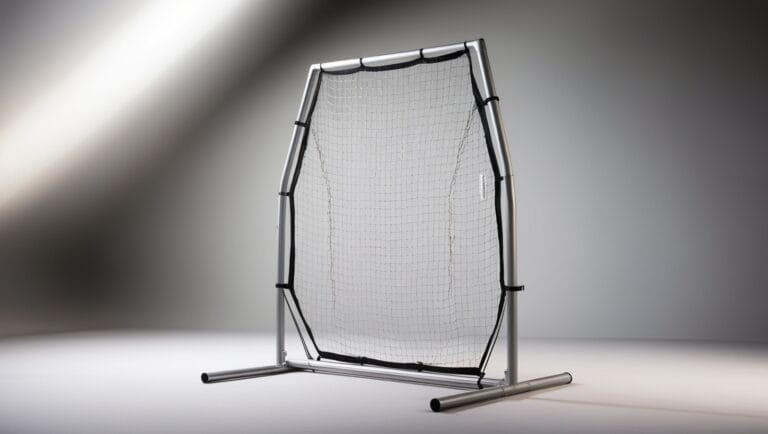
Set the tee at multiple locations and heights and hit into a net. Record sessions with your phone for review.
Bat Speed Overload/Underload Sets
Cycle overload swings (weighted bat/donut), underload (light bat), then game bat to train neuromuscular speed.
Mirror & Video Self Check
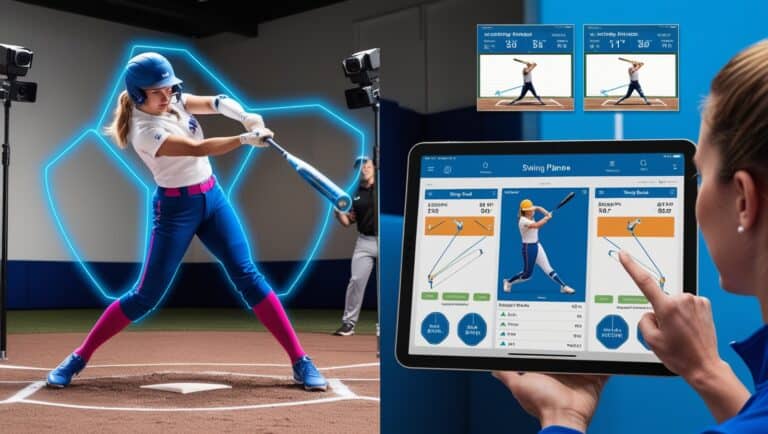
Film side and behind angles, check load timing, heel plant, hip rotation, bat path, and finish. Make 1–2 measurable corrections per session and refilm to confirm.
Bat Path & Contact Drills
Short To Long Path Drill
Choke up 4–6 inches on the bat. Emphasize hands staying inside and a short initial path, then extend through contact. Progressively move grip back as path improves.
Contact Point Tee Drill
Mark stride landing and practice tee placements for pull, middle, and opposite field contact to establish consistent contact locations.
Power Hitting Drills
Step and Drive Power Drill
Practice exploding from your coiled (load) batting position and firm front leg plant to teach hip led power generation. 2 sets of 5–10 swings at 70–80% effort; emphasize sequencing over raw force.
Medicine Ball Rotational Throws
Use 6–10 lb medicine ball for rotational throws against a wall to build core power transfer. 3 sets of 6–8 throws per side.
Heavy To Light Overload/Underload Swings
Contrast heavy (7 swings), light (7 swings), then game bat (7 swings) for 3–4 cycles. Keep effort controlled and limit frequency for recovery. Example overload/underload methods are demonstrated here: bat speed contrast.
Directional Hitting: Pull & Opposite Field Drills
Inside Out Tee (Opposite Field)
Place the tee on the outer third of the plate and practice letting the ball travel to drive opposite gap line drives. Cue: “Let it travel.”
Pull Path Tee
Position tee inner third of the plate and focus on closed bat face contact and hip driven rotation to produce controlled pulls into the outfield side closest to you. For right handed batters this would be left field and for lefties it would be right field.
Situational Live BP
Pitcher mixes locations and hitter calls “pull” or “oppo” before each pitch and executes. Track success rates to sharpen in game decision making.
Batting Cage & Team Session Templates
Simulated At-Bats
Run 10–15 pitch sequences that mix arc heights and speeds. Call approach before each pitch and execute the plan to build situational consistency.
Team Station Rotation (4 Stations)
- Station 1: Tee work — launch angle & contact points
- Station 2: Soft toss — direction & contact quality
- Station 3: Live pitching/machine — timing & approach
- Station 4: Situational hitting — runners/count specific
8 Week Slow Pitch Softball Hitting Progression Plan
Weeks 1–2: Fundamentals & Contact
Focus on balance holds, stride timing, tee ladder, short to long path, and standard soft toss. A 60 minute session should include warm up, tee ladder, path work, and soft toss.
Weeks 3–4: Timing & Rhythm
Emphasize bucket toss arc count, clock cadence, overhead toss, and light med ball rotational work. Goal: consistent load timing at pitch apex.
Weeks 5–6: Power & Launch Angle
Introduce load and explode, step and drive, overload/underload sets. A 90 minute session should focus on power development rounds and live batting practice.
Weeks 7–8: Situational & Advanced
Simulated at bats, competitive station rotations, video analysis, and game specific scenarios. Aim to execute situational approaches at a high success rate.
Troubleshooting: Fix Common Slow Pitch Softball Swing Problems
Late Timing
Diagnostics: Did you load at the apex? Fixes: bucket toss arc count drill, clock cadence, overhead toss. Cue: “Load at the top.”
Casting / Long Swing Path
Diagnostics: hands away from body early. Fixes: short to long tee drill, bottom hand swings, mirror work. Cue: “Hands stay close.”
No Power / Late Weight Shift
Diagnostics: front heel plant timing, hips leading. Fixes: load and explode, step and drive, med ball throws. Cue: “Heel down = go.”
Metrics, Tracking & Video Analysis
Track contact rate, quality of contact breakdown (line drives / pop ups / grounders), launch angle estimates, and bat speed proxies. Use phone video for side and behind views; see a recommended video analysis workflow at softball video analysis.
Session log: date, duration, total swings, primary focus, coaching cue, contact rate, one improvement, one next step. Aim for 60–80 deliberate swings per session.
Key Take Aways
Consistent, deliberate practice using these slow pitch softball batting drills will improve timing, contact, and power. Focus on one measurable change per session, track results, and use video feedback to speed learning.
Ready to train? Start with a focused warm up, a primary drill (timing or tee work), and a short video check to lock the change and then repeat the cycle for the best results at mastering these slow pitch softball batting drills.
Frequently Asked Questions (FAQ)
How many softball swings should I take each batting cage session?
Target 60–80 swings per session, with at least 70% being deliberate reps. Quality over quantity: 50 focused swings beats 100 mindless ones. Any more than 80 swings increases your chance of muscle fatigue which will decrease swing effectiveness.
How often should I use overload/underload training?
Limit heavy/light contrast sets to 1–2 times per week at controlled intensity to avoid overuse while still gaining speed benefits.
What’s the best drill for timing high arcs?
Bucket toss arc count timing and overhead live toss are the most specific drills for learning apex recognition and delayed stride timing.
Can I practice effectively alone?
Yes, absolutely. Use tee progressions, batting cages, nets, and video review. Solo sessions should include a clear objective, recorded reps, and measurable targets.
Craving more softball wisdom? Unlock game-changing tips below!