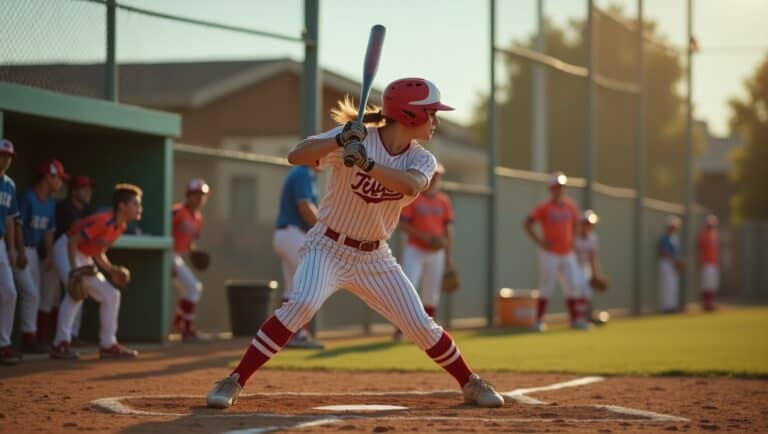
Amazing Softball Team Retreat Ideas For 2026!


Who is ready for some amazing softball team retreat ideas? These outings are structured day or overnight events planned specifically to build team chemistry, trust, communication, leadership, and pre-tournament readiness through on- and off-field activities. Whether you need low-cost softball team retreat ideas for a youth team, a weekend cabin getaway for a high-school squad, or a focused pre-season retreat for travel ball, this guide gives sample itineraries, activity instructions, safety checklists, and budget tips.
- Clear formats and venues for different team needs and budgets
- Ready-to-run activities with step-by-step instructions and coaching scripts
- Planning resources including checklists and itinerary templates
Why Having Softball Team Retreat Ideas Matter for Softball Success
Retreats accelerate trust (the ability to rely on teammates under pressure), improve communication (clear on-field calls and off-field feedback loops), establish leadership roles (captains and peer mentors), and create team traditions that persist during the season. A single overnight retreat can reduce early-season miscommunications and build team chemistry a lot quicker.
Research shows that structured offseason/team events build stronger team culture development and help establish team goal setting. Teams that invest in building team chemistry through motivational activities perform better under pressure and maintain stronger bonds throughout challenging seasons.
Who This Guide Is For
This softball team retreat ideas resource serves coaches, assistant coaches, team managers, parent coordinators, and softball traveling team organizers planning retreats for softball teams of all ages.
- Youth teams (ages 8-12) retreats: Reduce physical intensity, have increase adult supervision, shorten activity durations
- High school and traveling team retreats: Reduce icebreaker time, increase leadership workshops, add more complex communication exercises
Types of Retreats & Best Venue Options
Choose a retreat format that matches your budget, timeline, and team goals. Below are practical options with logistics and checklists.
Day Retreats: Local and Budget-Friendly Options

Day retreat ideas work perfectly for teams with tight budgets or scheduling constraints. Ideal venues include school gyms, local parks and fields, community centers, YMCAs, and indoor sports complexes.
- Schedule window: 3–6 hours typically works best
- Permit needs: Park field rental permits per hour ($0–55) based on Minneapolis Park & Recreation guidelines
- Chaperone ratio: 1:8 for minors recommended
- Total cost: $100–400 for most teams (depending on venue and location)
Recommended Softball Equipment Checklist
These budget-friendly retreat options provide excellent team bonding activities without overnight complications.
Overnight Team Retreat: Deeper Bonding Opportunities
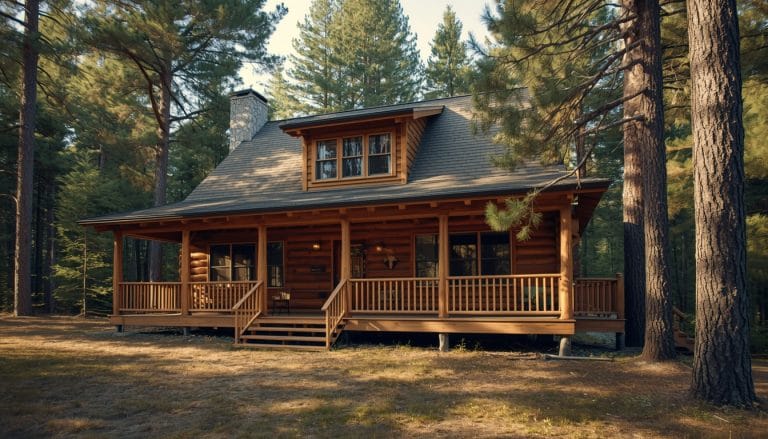
Overnight team retreats at cabin getaways, beach retreats, or camping trips allow for deeper reflection sessions, evening traditions, team dinners, and longer leadership workshops. They require higher costs, overnight supervision, and additional waivers.
Overnight Team Retreat Key Considerations
- Sleeping capacity for entire team plus chaperones
- Adequate bathrooms and shower facilities
- Kitchen access for team dinner preparation
- Nearby medical facilities (within 30 minutes)
- Quiet indoor spaces for team meetings and workshops
Cabin getaway options often provide the best balance of comfort and team bonding opportunities. Beach retreats work well for coastal teams; camping offers the most budget-friendly overnight choice.
Adventure Venues: Ropes Course and Trust Building
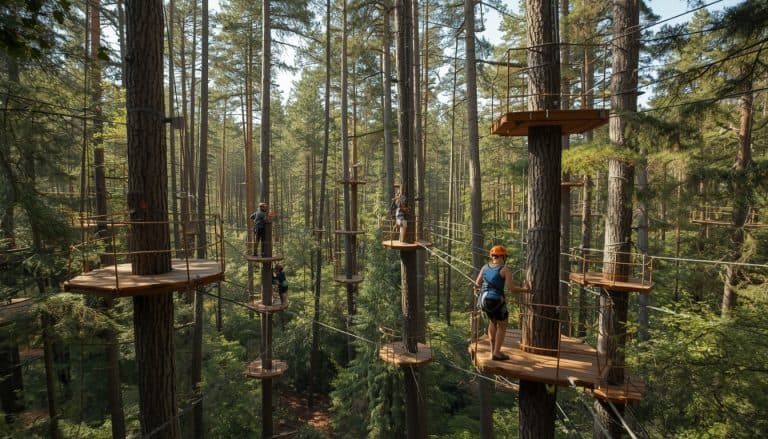
Ropes course facilities and outdoor challenge parks excel at trust-building through high and low ropes elements, ziplines, and team problem-solving stations. These softball team retreats ideas require certified facilitators and additional liability waivers but create powerful bonding experiences.
- Certified facilitator must lead all high-risk activities
- Additional insurance and medical waivers required
- Coach-to-participant ratio of at least 1:6
- Emergency action plan specific to venue hazards
Indoor Retreat Options for Bad Weather
Indoor alternatives include rented halls for workshops, local climbing gyms, indoor ropes facilities, and conference rooms for leadership activities. These venues are ideal for winter off-season team building or when weather threatens outdoor plans.
- Community recreation center multipurpose rooms
- Indoor sports facilities
- School facilities (gymnasium or multipurpose rooms)
- Indoor recreation centers with meeting spaces
Traveling Team Retreat Considerations
Travel team retreats require careful calendar alignment (avoid peak tournament weekends), travel logistics (bus vs. carpool), overnight travel insurance, and detailed coach/parent chaperone planning. For high school squads, consider academic calendars and increased liability concerns.
Activity Categories: Complete Instructions and Scripts
Complete Instructions and Scripts below include icebreakers, trust-building games, communication drills, and leadership stations with coaching notes and debrief prompts.
Icebreaker Games to Start Building Connections
Name and Warm-up Circle (10–15 minutes): Players sit in a circle and share their name, position, and one season goal. Coach models first to set tone and pace.
Two Truths and One Lie (15 minutes): Split into groups of three. Each player gives three statements (two true, one false). Teammates guess the lie and debrief with “What surprised you most?”
Quick Team Quizzes (10 minutes): Prepare softball trivia or team history questions. Small prizes like stickers or candy keep energy high.
Trust Building Activities with Safety Focus
Relay Race Equipment (20–30 minutes): Pair players; (batons, hula hoops, jump ropes). Friendly competition with teamwork.
Tug-of-Ware (10–15 minutes): Only for participants 13+ with parental consent. Teach teamwork and trust, strength building activity with team strategy component.
Obstacle Course (20-30 minutes): Create your own times course with (agility ladder, hurdles, resistance bands, etc.). Can do single, pairs or groups competing to complete the course in the shortest amount of time.
Research shows that team-building drills for softball significantly improve trust and communication when properly structured and debriefed.
Communication Exercises for On-Field Success
Blindfold Navigation (20–30 minutes): Pair players; one is blindfolded and guided verbally through a soft-obstacle course. Use spotters and foam cones, rotate roles, and debrief communication strategies.
Circle Debrief (15 minutes): Use guided prompts and pass a softball as a “talking piece” so everyone speaks while others listen.
Leadership Activities to Develop Team Captains
Leadership Stations (60 minutes): Three 20-minute stations where different players lead warm-ups, situational fielding, and goal-setting discussions. Use a simple rubric (Communication, Decision-making, Encouragement) for feedback.
Goal-Setting Workshop (45 minutes): Facilitate S.M.A.R.T. goals for the season and assign accountability partners to check progress at regular intervals.
Key-Take Aways For Softball Team Retreat Ideas
Well-planned softball team retreat ideas, whether a half-day at a local park or an overnight cabin stay, offer measurable returns in trust, communication, leadership, and on-field performance. Use the templates, safety checklists, and activity scripts to run a smooth retreat that meets your team’s needs and budget.
Ready to plan your retreat? Start by identifying objectives (trust, communication, leadership), choose a venue that matches your budget, and download sample checklists and itineraries to get organized.
FAQ
How long should a softball team retreat last?
For most teams, a 3–6 hour day retreat is effective and budget-friendly. Overnight retreats are ideal when you want deeper reflection, evening traditions, and extended leadership workshops which are typically 1–3 nights depending on goals and budget.
What safety measures are required for trust and adventure activities?
Always use certified facilitators for high-risk activities, require signed medical and liability waivers, maintain recommended coach-to-participant ratios, and have an emergency action plan and first-aid supplies on site.
How do I adapt activities for younger players?
Reduce physical intensity, shorten activity durations, increase adult supervision, and choose low-risk variations of trust exercises. Keep instructions simple and focus on fun, inclusive challenges.
What is a reasonable budget for softball team retreat ideas?
Day retreats often run $100–$400 for most teams (permits, equipment, snacks). Overnight retreats vary widely based on lodging and travel—expect higher costs for cabins, beach houses, or professional adventure facilities.